
How Nevada's Traffic Law Changes Affect Your Case — And Why It Still Pays to Have an Attorney
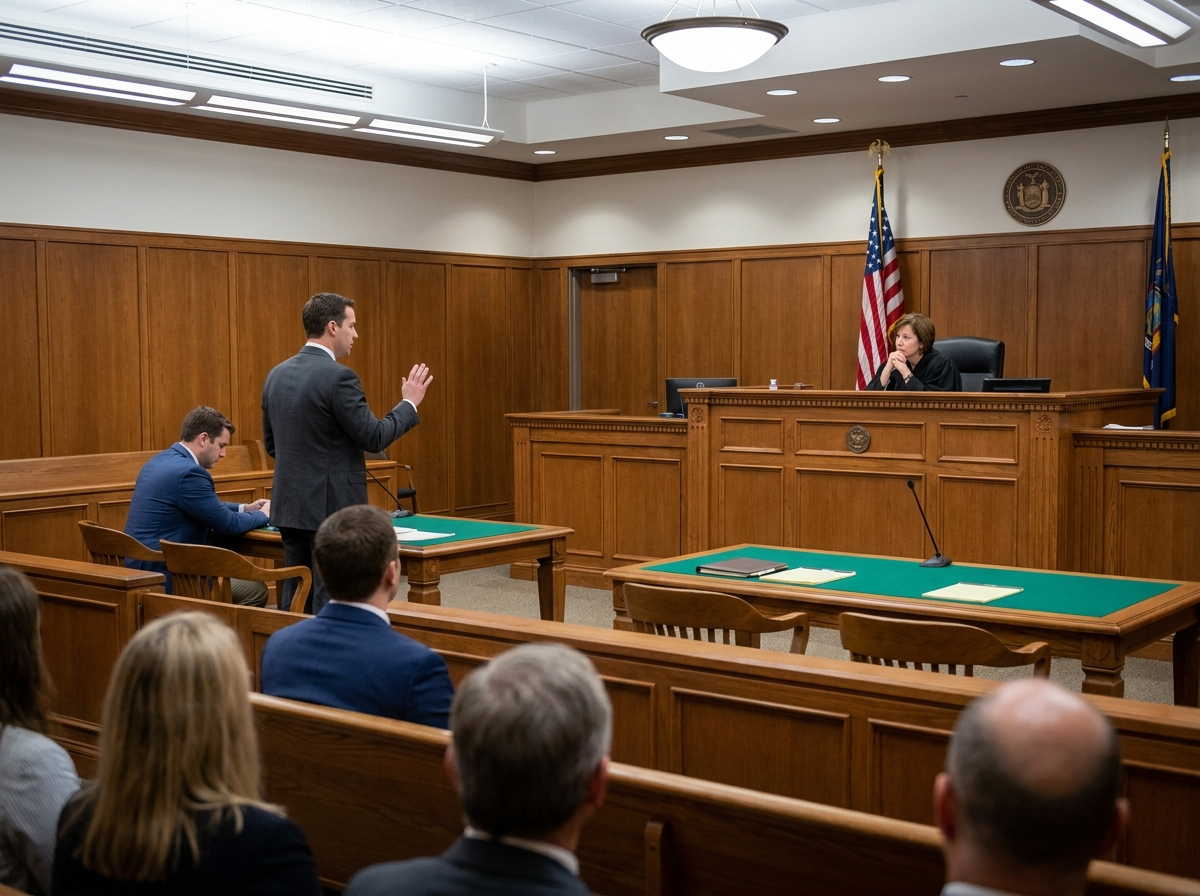
If you've received a traffic ticket in Nevada recently, you may have heard that the law surrounding traffic violations has changed significantly. These changes affect how your case is handled in court, what evidence is used against you, and how the judge decides the outcome. Understanding what these changes mean — and what they don't mean — is important before you decide how to respond to your citation.
From Criminal Misdemeanors to Civil Infractions
For years, most traffic violations in Nevada were classified as criminal misdemeanors. That meant a citation carried the weight of a criminal charge — complete with criminal procedures, criminal records, and the constitutional protections that come with them.
Nevada law has since amended most traffic citations from criminal misdemeanors to civil infractions. On the surface, this might sound like good news: civil means less serious than criminal, right? In some ways, yes. You no longer face the possibility of a criminal conviction or a mark on your criminal record for a routine speeding ticket or running a red light. But the shift from criminal to civil also comes with significant trade-offs that work against drivers in court.
Officers No Longer Have to Show Up
Under the old criminal framework, a defendant had the constitutional right to confront witnesses against them. In practical terms, that meant the citing officer generally had to appear in court and testify in person. If the officer didn't show up, the case was often dismissed.
That is no longer the standard.
Because traffic violations are now civil infractions rather than criminal charges, the Sixth Amendment right to confront witnesses does not apply in the same way. Nevada law now allows the officer's written citation and any follow-up written statement to be submitted as evidence in place of live testimony. The officer does not have to appear at your hearing at all.
This is a meaningful change. When an officer testifies in person, an experienced attorney can cross-examine them — probing their memory of the stop, the equipment they used, the conditions on the road, and whether they followed proper procedures. A written statement sitting in the court file cannot be questioned, challenged, or contradicted in the same way. It simply sits there as evidence, without an opportunity to test its accuracy or completeness.
The Burden of Proof Has Shifted
Perhaps the most significant change involves the standard the court uses to decide your case.
In criminal proceedings, the prosecution must prove guilt beyond a reasonable doubt — one of the highest legal standards in existence. It exists to protect the accused and reflects the serious consequences a criminal conviction can carry. Any meaningful doubt is supposed to benefit the defendant.
Under the new civil infraction framework, that standard no longer applies. Instead, the court uses the civil standard: preponderance of the evidence. This means the court only needs to find that it is more likely than not — essentially, more than 50% probable — that you committed the violation. It is a substantially lower bar for the government to clear.
For drivers who believe they can simply show up and poke holes in the officer's story, this is a sobering reality. Even if there are questions about the evidence, the court can still find against you as long as the evidence tips even slightly in the government's favor.
What This Means for You
Taken together, these changes make it easier for courts to find drivers liable for traffic violations. The officer's written citation carries real evidentiary weight without requiring the officer to defend it in person, and the state only needs to meet a relatively low burden of proof to prevail.
That said, these changes do not make fighting a ticket impossible. They do make it more important to have someone in your corner who understands the rules of evidence, knows what the written record must contain to be legally sufficient, and can identify weaknesses in the case even within the civil framework.
At Cap & Kudler, we handle traffic ticket cases in Clark County courts every day. We know how these procedural changes play out in practice, what arguments still work, and how to give you the best possible outcome — whether that means negotiating a reduction that keeps points off your record or contesting the citation outright.
If you've received a traffic ticket in Clark County, we're here to help. Contact us to find out what your options are.
Got a Traffic Ticket?
Tell us what you're dealing with and we'll explain your options — free of charge.
Free Case Review